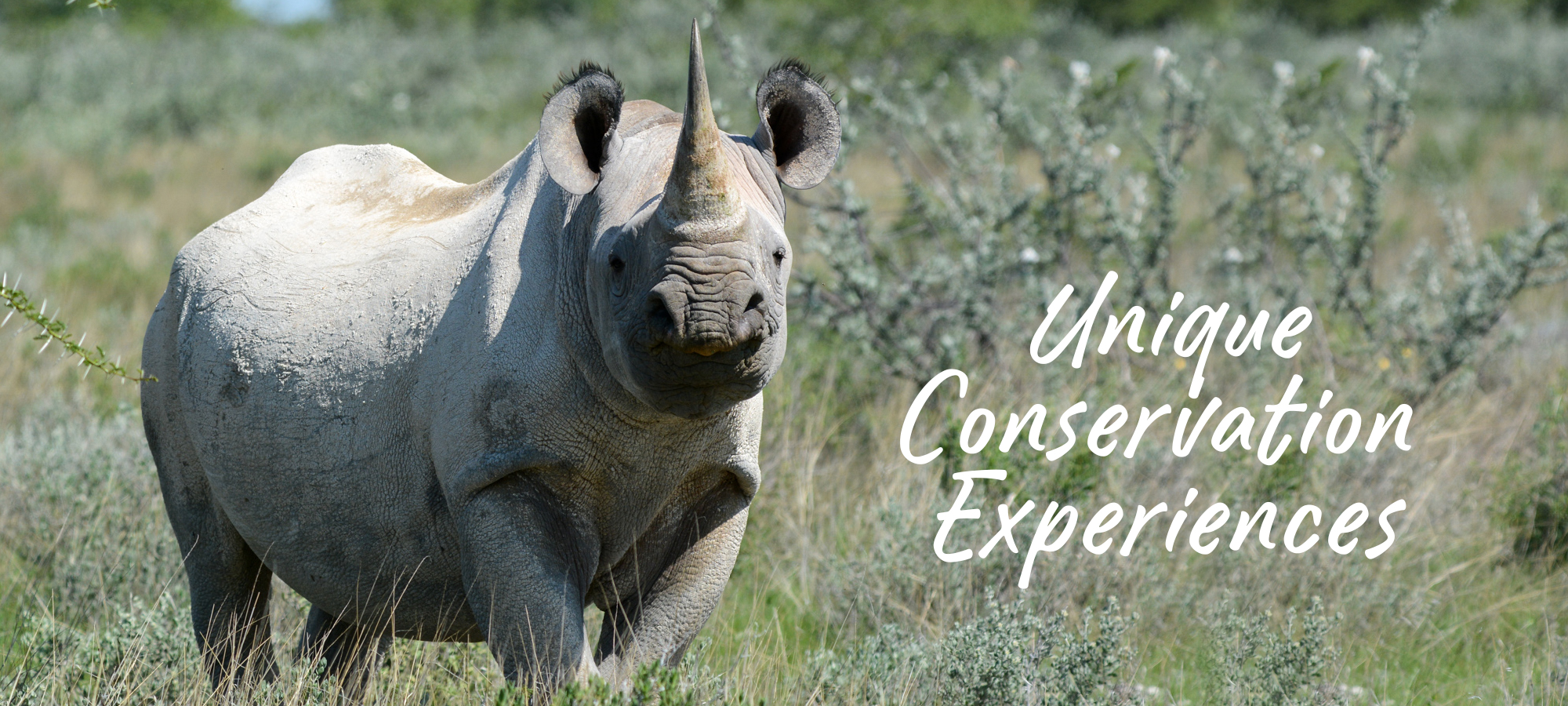

A unique conservation safari experience in Damaraland


Join us on a 9-day Desert Elephant Walking Safari, beginning with two nights in Swakopmund before venturing into one of Namibia’s most remote, wild, and awe-inspiring desert landscapes.
The desert-adapted elephants of the Kunene Region roam across more than 115,000 km² of sandy deserts, rugged mountains, and arid gravel plains in northwest Namibia. While not a separate species, these elephants have become uniquely adapted to life in extreme dry conditions, earning them high national and international conservation priority and recognition from the IUCN.
Smaller in body size with longer legs and larger feet than their savannah counterparts, they are perfectly built for travelling across vast dunes in search of water. They survive on moisture-rich vegetation in ephemeral riverbeds and can go several days without drinking. Living in smaller family groups also reduces pressure on scarce resources, and they are known to cause less vegetation damage than elephants in wetter regions.
Our route begins in the foothills of the Brandberg and leads north-west into the dunes toward Doros Crater, then west to Hyena Camp, before turning south to finish at the Ugab River. The journey covers approximately 125 km on foot through some of Namibia’s most striking wilderness.
Optional daily flexibility allows guests to walk in the mornings and travel by support vehicle in the afternoons to the next camp, with distances clearly outlined for each day.
A portion of your safari fee directly supports the long-term conservation of Namibia’s desert elephants and the communities that share this extraordinary landscape with them.
Safari Highlights:
• A conservation-focused experience, where you can contribute to the cause while going on safari
• Unique walking safari
• Encounters with the iconic desert-adapted elephants, uniquely evolved to survive in one of the world’s harshest environments
Top Mammals:
Desert-adapted Elephant , Desert-adapted Black Rhino, Desert-adapted Lion, Oryx (Gemsbok), Hartmann’s Mountain Zebra, Springbok, Kudu
Top Birds:
Ludwig’s Bustard, Damara Tern, Rüppell’s Korhaan, Bare-cheeked Babbler, White-tailed Shrike, Monteiro’s Hornbill, Rockrunner , Benguela Long-billed Lark
Day to day itinerary
**We have options available where you can enjoy a walk in the morning and make use of a game drive vehicle in the afternoon
Day 1: Swakopmund
Our Desert Elephant Walking safari will kick off in the enchanting coastal town of Swakopmund. You can fly in to Walvis Bay which is Namibia’s Harbor town, located approximately 30 kilometres from Swakopmund. Transfers can be arranged from Walvis Bay.
For the first night you will have time to check in to your seaside accommodation and from there we will enjoy an intimate dinner with the group and afterwards an exciting night dune walk where we will get to experience the magical Namibian desert at night time.
The population of Swakopmund, the capital of the Erongo Region, is roughly 34,000. Travelers will not find such a wide range of possible activities anywhere else in Namibia, which is why Swakopmund is referred to as the activity centre of the country.
German South West Africa required a harbour, therefore in 1892 Captain Curt von François founded Swakopmund. The town got its name because it was situated near the Swakopmund River’s mouth (the word “mouth” in German is “mund”).
Day 2: Swakopmund to Damaraland
We plan to leave the seaside town of Swakopmund around ten in the morning. The adventure begins with a leisurely four-hour drive that includes a lunch stop on the way. It is anticipated that we will reach our campsite in the late afternoon, situated on the renowned Brandberg mountain – the dried out heart of a long-gone extinct volcano.
This region will be especially fascinating to geology buffs because of its connection to the well-known desert plant Welwitschia mirabilis. As we explore, our guides will tell us stories about the area’s rich history, which is evidenced by the terrain that dates back to the Bushman era.
Day 3: Damaraland
We plan to get an early start in order to make the most of the cooler morning temps by getting onto the hiking trail as soon as possible. Even while September daytime highs are usually pleasant and warm up during the day, we don’t anticipate temperatures rising above 30°C during the hottest part of the day.
We follow a route that beautifully circles the mountain, passing through the Brandberg’s foothills.
Because there are so many desert black rhinos in this area, our observant guides are constantly on the lookout for fresh footprints. Your guides will explain the complex network of life supported by several species of desert-adapted plants, insects, birds, and mammals, as well as the area’s rugged landscape.
We’ll stop in the Numas River for a well-earned lunch break after traveling nine kilometres; the backup team will be there to help. There will be planned designated water breaks throughout the route, and each participant should bring three litres of water (a comprehensive kit list will be provided).
We had nine more kilometres to travel in the afternoon to reach our campsite for the night, which is tucked away in the sands of the Numas Gorge.
After supper, as the day draws to a close and depending on the lunar phase, there can be an interesting discussion about the night sky—a wonderful chance to take in the beauties of the sky above.
Day 4: Damaraland
We’re off to conquer a 13-kilometer stretch before the luncheon bell rings, which means yet another early start! We go over rugged, rolling terrain with firm footing until we arrive at the Naib River and a well-earned lunch.
One of the guides is going to teach orientation and map reading during the lunchtime break. Our course takes us in the direction of the Ugab in the afternoon, and we stay alert in the area reserved for black rhinos, keeping a close eye out for any indications of new tracks. Walking 8km in the afternoon, we follow a drainage route that rises from a valley in the Brandberg and eventually joins the powerful Ugab River.
Day 5: Damaraland
Our route for today is through a valley that is made out of gently sloping hills. We will meet the team on a plain where we will put up shade and sandwiches for our two-hour break. By the time we reach the Ugab West desert elephant herds’ main home range in the winter, the team will have evaluated any elephant movements. This group has only 21 members overall, making them “unviable.” We will hear from the conservation team during lunch about the present situation and difficulties this elephant population is facing.
Day 6: Damaraland
Although the area ahead is mostly level, there will be some sand at certain spots. We will be keeping a watchful eye out for the elephants as our route closely resembles the Ugab River.
The longest portion of the day—a solid 16 kilometres—is covered in the morning portion of our excursion. The afternoon portion is a 9-kilometer walk. Once more, our midday break will be a serene affair, tucked away beside the river beneath the trees’ shade.
As the day progresses, we’ll pass through breathtaking terrain and get closer to the settlement of Anixab, which is well-known for its remarkable outcrops that resemble meticulously arranged round boulders.
The location of tonight’s camp is in a former Bushman hunting camp with a stunning view of the Ugab River marsh. Remnants from the past are frequently found here. An interesting discussion about the region’s and the indigenous people’s history will be given by a guest in the evening.
Day 7: Damaraland
Today is our last day, which is an emotional day! We will gently descend into the river from our camp. We will get to know some of the locals that the conservation team has helped over the years while we hike today. Our first trip is A.Gariseb Primary School, which is the primary partner school of the conservation team. Here, we have renovated the school’s facilities and provided learning materials, playground equipment, mattresses, blankets, washing machines, and more!
The rural kids are also sponsored by Conservation volunteers to eat three meals a day at the school hostel. This project has particular significance because the 450 children who attend live on farms that are frequently visited by elephants. The elephants also frequent the school grounds.
We’ll have lunch under the peaceful canopy of trees once more. We’ll look at a few of the conservation team’s completed projects in the afternoon, including solar pump installations and protective walls. We will interact with farmers to learn personally about their experiences coexisting with elephants.
Our objective is to arrive at the Conservation team’s base camp by dusk. The last portion of the journey takes us past a stunning natural spring, providing an opportunity to test our tracking expertise.
The whole conservation staff will greet you warmly when you arrive. A joyous sundown is in store for us atop the camp’s cliffs, where we will see the sun set over the Brandberg Mountain, which symbolizes the beginning of our journey.
We’re going to celebrate tonight with a delicious dinner and entertaining activities!
Day 8: Damaraland to Swakopmund
A final walk out of the river valley brings you to the Brandberg West Mine where your vehicles await you, for the journey to the small town of Swakopmund on the Skeleton Coast. Swakopmund is an interesting little town with lovely cafes, restaurants, and great shopping!
This evening you will have your gala meal and celebrate in style! Maybe even some dancing for those whose feet are up to it! Total driving distance to Swakopmund is 230 km and travel time will be approximately 3 hours. This will be our final night of the tour staying over in Swakopmund.
Swakopmund also offers a wide range of activities which includes the following:
- Desert Excursion to Sandwich Harbor
- Excursions to Dune 7
- Catamaran cruises (Dolphin and Seal)
- Quad Biking
- Camel Rides
- Skydiving
- Kayaking
Only to name a few! Please feel free to enquire to receive more details.
Day 9: End of safari
Today we will enjoy our last breakfast together as a group. Afterwards you will be transferred to the airport for your departure or you can extend your trip to visit Etosha or Sossusvlei.


CAPE TOWN EXTENSION: (Optional)
For those wishing to extend their African Wild Dog Conservation Safari, the optional Cape Town extension offers three nights in luxury accommodation near the vibrant V&A Waterfront, combining wildlife experiences with South Africa’s stunning coastal scenery, iconic landmarks, and world-class wines.


Day 11 : Cape Peninsula Tour
*(Activities can be alternated according weather)
After breakfast, you will be collected from your accommodation for a full-day Cape Peninsula tour. Explore the dramatic coastline and unique landscapes of Cape Point Nature Reserve, where rugged cliffs meet the ocean and endemic fynbos thrives. Visit Boulders Beach to observe the charming African Penguin Colony in their natural habitat. Weather permitting, take the Table Mountain cable car for breathtaking panoramic views of the city, coastline,
Day 12: Cape Winelands Tour
Your second day takes you to the picturesque Cape Winelands. Departing around 08:30, enjoy a full-day tour through Stellenbosch, Franschhoek, and Paarl, sampling award-winning wines and learning about the region’s rich viticultural heritage. The rolling vineyards, historic estates, and charming towns offer a relaxed contrast to the intensity of your African safari.
Day 13: Departure
Spend your final morning at leisure, exploring the shops, markets, and cafes of the V&A Waterfront, or visiting additional Cape Town sites before your transfer to the airport for your departure flight home. This extension perfectly complements your conservation safari, providing a mix of wildlife adventure, scenic beauty, and cultural experiences.
This Cape Town extension not only enhances your journey but also offers insights into South Africa’s diverse ecosystems—from the bushveld of the Greater Kruger to the iconic coastal and vineyard landscapes of the Western Cape.

