

On our 9-day guided Namibia University tour we offer you a unique opportunity to experience and learn more about the top attractions, conservation, fauna and flora of Namibia.
Located in south-western Africa, Namibia is a country that boasts beautiful landscapes, a variety of creatures such as mammals, birds, reptiles, fascinating flora and intriguing history and culture.
As you journey through the country on this guided tour, you will learn about and experience the diversity of the country firsthand and visit Windhoek, including Museums and the National Botanical Garden; the Skeleton Coast, including Swakopmund and Walvis Bay as well as the dunes, the Etosha National Park, a wildlife haven and one of the best parks in Southern Africa as well as AfriCat where you will experience and learn more about the story and conservation of big cats and other predators.
Highlights include:
• Swakopmund
• Etosha National Park
• Walvis Bay
• Living Desert tour
• Africat
Day 1: Arrival in Windhoek
Welcome to Namibia!
After arriving at the Hosea Kutako International Airport, your Nature Travel Guide will meet you in the arrival’s hall of the airport and your journey starts with a short drive to Windhoek, where you then check in to our hotel.
Windhoek is the capital city of Namibia and is surrounded by mountains, vast valleys, fertile farmlands, luxury lodges, and guest farms. The landscape of the Greater Windhoek area is characterized by extensive valleys, dense scrub and bush, rolling hills, and is covered in golden savannas.
It is located at 1,700 metres (5,600 feet) above sea level in the Khomas Hochland plateau area between the Auas and Eros mountain ranges and is the 12th highest capital in the world. Windhoek is home to about 400,000 people at a low density of only 63 people per square kilometre and has over 300 sunny days per year.
In the afternoon we will visit the Independence Memorial Museum (IMM). This museum exhibits the country’s anti-colonial and independence struggle. It functions as the central repository of material and memorabilia related to Namibia’s anti-colonial resistance and the armed liberation struggle; and showcases these aspects throughout three galleries.
This evening we will enjoy dinner at one of the local restaurants in the city and thereafter rest up for the adventure to come.
Day 2: Day exploring Windhoek
This morning, after breakfast, we will visit the National Botanical Garden of Namibia.
The National Botanic Garden of Namibia is a 12-hectare nature reserve and is located in the heart of the City of Windhoek. Here you can see and learn more about the fascinating plants of Namibia. It is open from 08:00 to 11:00.
After our visit at the garden, we head to the National Museum of Namibia, a historical and zoological museum in Windhoek. The National Museum of Namibia is Namibia’s oldest museum and was established by the imperial German administration in 1907. It is open from: 09:00-16:30.
We will enjoy lunch at a local restaurant in the city.
In the afternoon we join a 3-hour city and township tour and learn more about the city’s landmarks and history, the townships and Windhoek’s diverse culture.
Day 3: Windhoek to Swakopmund
After breakfast today, our tour continues to Swakopmund. We will drive through a few small towns and our journey meanders through changing landscapes down to the Skeleton Coast. We will arrive in Swakopmund in the late afternoon and check in to our hotel. The rest of the day we spend at leisure.
Swakopmund, sandwiched between the hot, arid desert and the cold waters of the Atlantic ocean, Swakop, as the locals call it; is one of the most fascinating colonial towns in all of Africa, consisting of South African, Namibian and German cultures, architecture, languages and cuisine. It is one of the most popular holiday destinations in the country, as both locals and foreigners flock here loving the relaxed atmosphere, fine restaurants and coffee shops, the abundance of activities to choose from as well as the temperate climate.
It has made a name for itself as the activity hub of Namibia, but this town offers so much more. For the adventurous spirit there is quad biking, sandboarding, skydiving, angling, mountain biking, scenic flights over the coastline as well as desert tours, town tours, marine boat cruises and birding outings.
We will enjoy dinner at one of the local restaurants in town.
Day 4: Moon Landscape and Walvis bay
Today we head out into the Namib Desert to see the Welwitschia and learn about other fascinating plant and animal species, who make this desert their home. We will also visit the Moon Landscape, an area mostly flat, although some scenic canyons and elevations are found in the surrounds, for example the the Moon Valley system, also known as Badlands. An eerie mysterious landscape with dolerite ridges has been constructed through years of erosion of soft layers of earth that were deposited in this area over 450 million years ago. The Swakop river has cut its way through the valley to end its journey in the Atlantic Ocean.
Thereafter, our day tour continues as we drive behind the dune belt to Walvis Bay, to visit the Walvis Bay Lagoon.
Walvis Bay is Namibia’s major harbour town. It is well known for the lagoon and its prolific bird life. The Walvis Bay lagoon and salt pans are regarded as the most important coastal wetland in southern Africa, as over 150,000 migrant birds spend the summer months here. Over 150 different bird species have been recorded in this region, along with 11 types of chameleons, lizards and geckos, and 13 species of mammal (including Pygmy Rock Mouse, Littledale’s Whistling Rat and Setzer’s Hairy-footed Gerbil), also reside in the area.
We will enjoy lunch at a local restaurant in Walvis Bay, before returning to Swakopmund in the afternoon. We spend the rest of the day at leisure, reflecting on today’s lessons.
Dinner is reserved for us at a local restaurant in Swakopmund.
Day 5: Living Desert Tour and optional activities
This morning after breakfast we will be collected from out accommodation establishment and head into the dunes on an informative Living Desert Tour, a unique adventure indeed!
On this half day tour and with the help of a local expert, we will look out for and learn more about the fascinating animals of the Namib Desert such as: geckos, scorpions, snakes, lizards, birds and beetles as well as the incredible plant life that survives in this harsh and seemingly inhospitable environment. Some of the special creatures we might see include Namib Sand Gecko, Namaqua Chameleon, Shovel-snouted Lizard, Tractrac Chat and even Peringuey’s Adder.
After our return to Swakopmund we will have lunch, explore the town or you can join an optional afternoon activity.
Once again, we will enjoy dinner at one of the fine restaurants in the town of Swakopmund.
Day 6: Swakopmund to Etosha National Park
We continue with our tour today to the famous Etosha National Park. Our journey takes us north through the changing desert landscapes, small towns and farmlands of central Namibia. After our arrival and checking in to our camp in Etosha, we rest and have lunch.
In the afternoon we will go on a game drive to visit some waterholes and look out for wildlife. Here you have the opportunity to learn all about the different animal species that make Etosha their home. Our camp, Okaukuejo also has a flood-lit waterhole at night, and here you can also watch the animals come to quench their thirst while you relax.
The Etosha National Park in north-central Namibia, is undoubtedly one of the greatest parks in Africa. It covers an aera more than 22,300 km2 (8,620 sq mi) and is characterized with an abundance of wildlife, big game and wide-open spaces. The name Etosha actually means “great white place” referring to the massive (130km long and 50km wide) dry pan in the middle of the park, believed to have been formed over 100 million years ago.
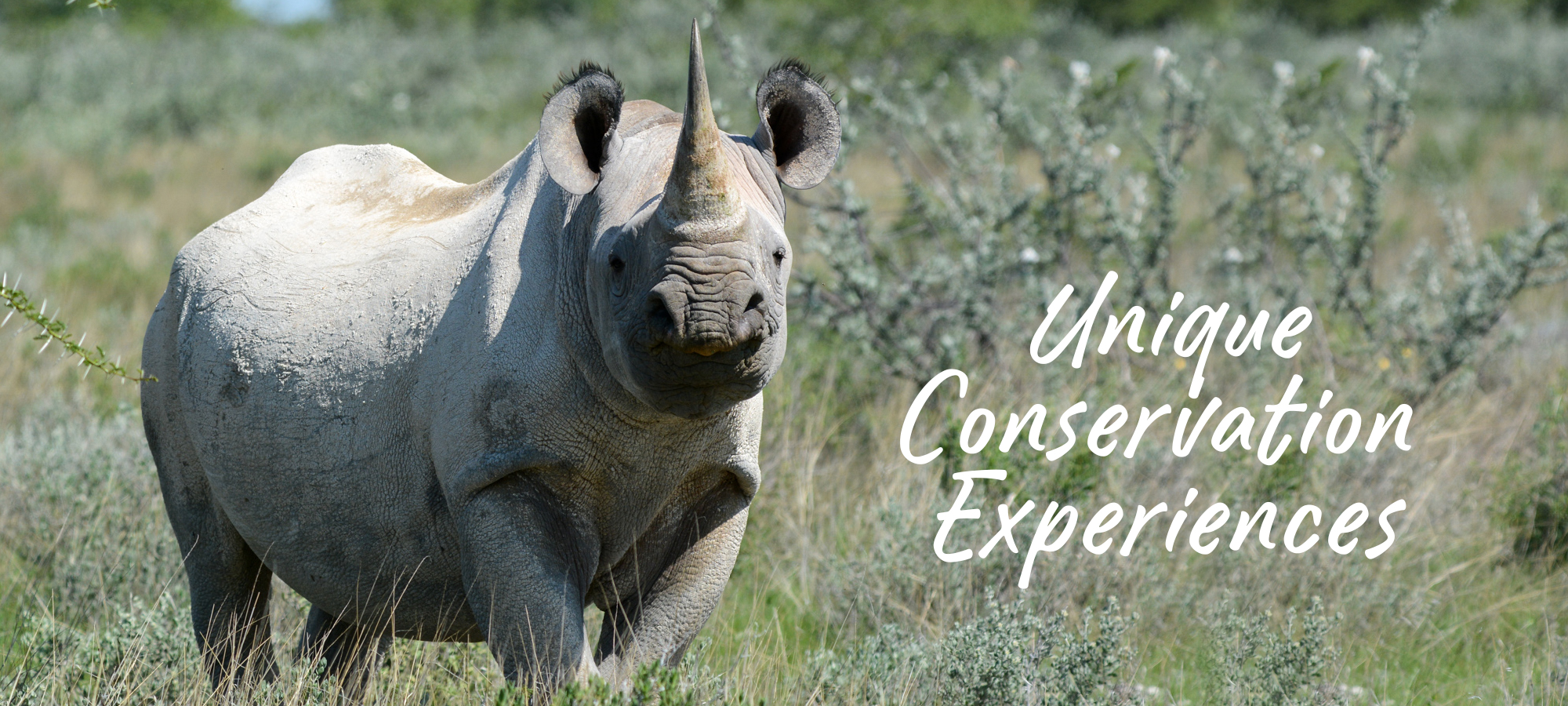
Etosha is home to a staggering amount of wildlife, including herbivores, carnivores and omnivores, both common and rare, including several threatened and endangered species. The mammal list is at over 110 species, including four of Africa’s Big Five, Cheetah, Giraffe, Spotted Hyaena, Zebra (2 species), Greater Kudu, Springbok, Gemsbok (Namibia’s national animal), Common Warthog, Honey Badger and many more. It is the best place in the world to see Black Rhinoceros.
In the drier months of the year, almost all the animals tend to congregate around the waterholes dotted around the massive park. They come to drink water and are inevitably followed by predators; this allows us to sit and wait at some of the waterholes and possibly witness some action to come to us. This is what sets Etosha apart from other parks in southern or east Africa; it is unique indeed!
Tonight, we will have dinner at the camp’s restaurant.
Day 7: Full day in Etosha National Park
Today we will enjoy a full day in Etosha, exploring the park on guided game drives with our tour bus.
Your guide will decide, with your input, which fauna and flora sightings you prefer and what the best routes will be to follow. All our guides know Etosha intimately well and will make sure you see all that this great African wildlife park has to offer.
Etosha not only boasts some fantastic mammals, but also has a bird list of more than 350 species, including regional specials like Kori Bustard, Blue Crane, Violet Woodhoopoe, Ruppell’s Parrot, Pygmy and Red-necked Falcon, Bare-cheeked and Southern Pied Babbler, and Burchell’s and Double-banded Courser. We will look out for these on our drives throughout the park, as well as around our camp’s grounds.
We will enjoy dinner at the camp’s restaurant.
Day 8: Etosha to Windhoek with AfriCat visit
After an early morning game drive or a relaxing final breakfast together, we will leave Etosha behind and our journey leads us back to Windhoek. On the way we will visit the AfriCat Foundation Day centre at Okonjima.
Here we will go on a short informative tour and learn all about the projects and conservation of big cats. We will enjoy lunch at the AfriCat Centre before continuing to Windhoek.
After arriving in Windhoek in the late afternoon and checking into our hotel, we freshen up to have our last dinner at one of the local restaurants in Windhoek.
Day 9: Departure
After breakfast this morning, you will be collected from your accommodation establishment and transferred to the airport where your unforgettable adventure comes to an end.
Optional extensions to Botswana or Zimbabwe can be also arranged.
For more information contact the Nature Travel Namibia team at info@naturetravelnamibia.com