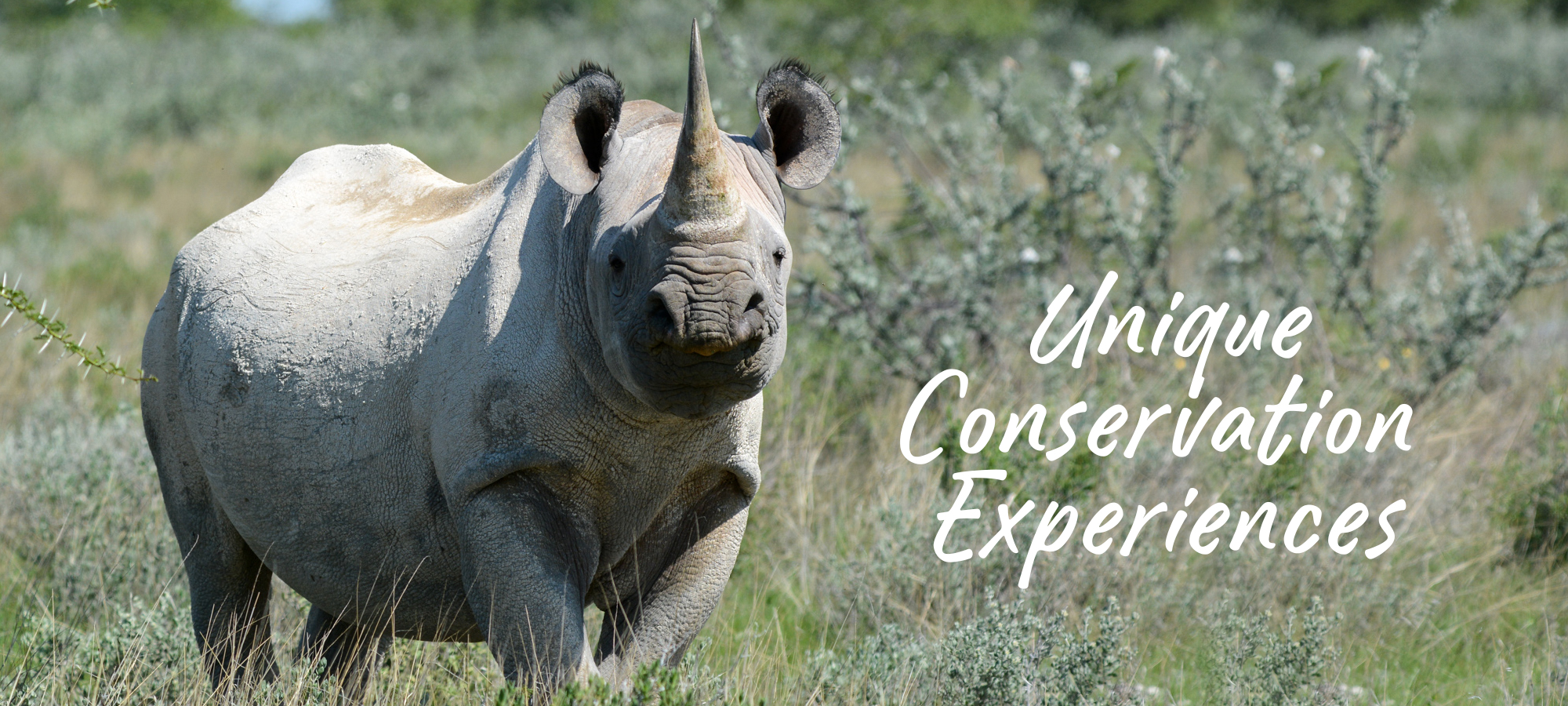

Exclusive Namibia conservation safari experience.
Experience the ultimate Namibia conservation safari through some of the country’s most spectacular wilderness areas, iconic national parks, and pioneering conservation regions. This immersive safari combines unforgettable wildlife encounters with meaningful conservation experiences, offering travellers the opportunity to explore Namibia while directly supporting wildlife protection, community conservation, and sustainable tourism initiatives. From the wildlife sanctuary of N/a’an ku sê and the towering red dunes of Sossusvlei to the rugged Skeleton Coast, Damaraland, Palmwag, Etosha National Park, and the renowned AfriCat Foundation, every destination highlights Namibia’s remarkable commitment to conservation.
Track desert-adapted Black Rhinos and Elephants, search for predators and plains game across Etosha’s vast landscapes, and gain behind-the-scenes insight into innovative conservation projects protecting endangered species and fragile ecosystems. Along the journey, discover fascinating desert-adapted wildlife, UNESCO World Heritage Sites, rich cultural heritage, and some of Africa’s most breathtaking scenery. Designed for travellers seeking authentic safari experiences with purpose, this Namibia conservation safari offers a rare opportunity to connect with nature while contributing to the long-term protection of Namibia’s extraordinary wildlife and wild places.


What you can look forward to:
- N/a’an ku sê Lodge & Wildlife Sanctuary: One of Namibia’s leading conservation organisations
- Namib-Naukluft Park: Namibia’s largest protected-, and most beautiful area.
- Sossusvlei and Deadvlei: One of Africa’s most important desert conservation areas, protecting fragile dune systems, ancient clay pans, and specialised desert-adapted species.
- Namib Sand Sea UNESCO World Heritage Site: One of the world’s oldest deserts and the only coastal desert with extensive fog-fed dune systems
- Palmwag Concession: A vast private conservation area managed in partnership with local communities and wildlife organisations
- Living Desert Experience: Explore remarkable desert-adapted species such as the Namib Dune Gecko, Namaqua Chameleon, Shovel-snouted Lizard, and the famous Cartwheeling Spider.
- Cape Cross Seal Reserve: One of the world’s largest colonies of South African Fur Seals.
- Twyfelfontein, a UNESCO World Heritage Site: featuring one of Africa’s most significant collections of ancient rock engravings.
- Track free-roaming desert-adapted Black Rhinos.
- Etosha National Park: Home to more than 110 mammal species.
- Okonjima Nature Reserve: home of the renowned AfriCat Foundation and one of Namibia’s leading carnivore conservation areas.


Day to day itinerary
Day 1: Welcome to Windhoek, transfer to N/a’an ku sê
Arrive at Hosea Kutako International Airport near Windhoek, where your Namibian conservation safari begins. You’ll be met by your guide and transferred to N/a’an ku sê Lodge & Wildlife Sanctuary, located just 30 minutes from the airport in the heart of the African bushveld.
N/a’an ku sê is one of Namibia’s leading conservation organisations, combining wildlife rehabilitation, carnivore conservation, anti-poaching efforts, habitat restoration, and community upliftment projects. The sanctuary provides a safe haven for injured, orphaned, and conflict-affected wildlife, with a strong focus on rehabilitating animals for release back into the wild whenever possible.
Home to species such as Cheetahs, Leopards, African Wild Dogs, Lions, and many smaller mammals and birds, the sanctuary offers an inspiring introduction to Namibia’s conservation success stories. After settling in, enjoy a traditional Namibian dinner and prepare for the incredible conservation safari adventure ahead.
Day 2: N/a’an ku sê
Spend a full day exploring the conservation work of N/a’an ku sê Wildlife Sanctuary, one of Namibia’s leading conservation organisations. Founded in 2007, N/a’an ku sê focuses on wildlife rehabilitation, carnivore conservation, human-wildlife conflict mitigation, and community upliftment through education, healthcare, and research-driven conservation initiatives.
After breakfast, take part in conservation-focused activities offering behind-the-scenes insight into the sanctuary’s work with orphaned and injured wildlife, carnivore tracking and monitoring, and sustainable conservation partnerships with local communities. This immersive experience allows travellers to connect directly with Namibia’s conservation challenges and successes while supporting meaningful wildlife protection efforts.
Optional activities may include guided nature walks, sunrise or sunset game drives, meerkat experiences, rhino or elephant tracking, carnivore tracking, horse-riding, and educational wildlife encounters. These activities showcase the remarkable biodiversity and conservation work taking place across the reserve.
Enjoy dinner at the lodge before resting for the next stage of your Namibian conservation safari adventure into the desert landscapes ahead.
Day 3: N/a’an ku sê to Sossusvlei
After breakfast, enjoy one final optional activity at N/a’an ku sê Wildlife Sanctuary before departing for the iconic landscapes of Sossusvlei and the Namib-Naukluft National Park. Travelling south from Windhoek through scenic mountain passes, the journey descends into the ancient Namib Desert, one of the world’s oldest and most ecologically unique environments.
Namib-Naukluft Park, Namibia’s largest protected area, is renowned for its towering red dunes, vast desert plains, dramatic canyons, and remarkable desert-adapted wildlife. Conservation plays a vital role here, protecting fragile ecosystems, endemic plant species such as Welwitschia, and threatened wildlife including the reintroduced Black Rhino and Hartmann’s Mountain Zebra. Strict environmental management and long-term ecological research help preserve this extraordinary desert landscape for future generations.
The Naukluft Mountains are home to diverse wildlife including Gemsbok, Greater Kudu, Klipspringer, Leopard, Caracal, and Verreaux’s Eagles, while the desert plains support iconic species such as Ostrich, Pale Chanting Goshawk, and Sociable Weavers. Along the journey, enjoy spectacular scenery and opportunities to experience Namibia’s unique biodiversity in one of Africa’s most striking conservation areas.
After lunch en route, arrive at your lodge in the Namib Desert where, time permitting, an afternoon nature drive offers the chance to experience the changing colours of the desert and spot wildlife in this remarkable wilderness region.
Day 4: Sossusvlei
After an early breakfast, depart for Sossusvlei and Deadvlei to explore the iconic landscapes of the Namib-Naukluft National Park. En route, stop at the famous Dune 45, one of Namibia’s most photographed dunes, offering sweeping desert views and a rewarding climb through the striking red sands of the Namib Desert.
Sossusvlei and Deadvlei form part of one of Africa’s most important desert conservation areas, where fragile dune systems, ancient clay pans, and specialised desert-adapted species are carefully protected. Towering dunes, some rising over 300 metres, surround the white clay pans of Sossusvlei, while nearby Deadvlei is renowned for its ancient camel thorn trees preserved for centuries within the hyper-arid desert environment.
These remarkable landscapes highlight the ecological importance of the Namib Desert and the extreme adaptations required for survival in one of the world’s oldest deserts. Ongoing conservation management helps protect the region’s delicate ecosystems through controlled tourism and sustainable environmental practices.
After lunch and time to relax at the lodge, enjoy an afternoon sundowner nature drive in search of desert-adapted wildlife including Gemsbok, Springbok, Black-backed Jackal, and a variety of birdlife and reptiles. Return to the lodge for dinner and another unforgettable evening in the Namib Desert.
Day 5: Sossusvlei to Swakopmund
After breakfast, travel through the spectacular Namib-Naukluft National Park toward the coastal town of Swakopmund, passing ever-changing desert landscapes along the way. Time permitting, stop at the small settlement of Solitaire, famous for its traditional Namibian apple pie, before continuing through the vast Namib Sand Sea UNESCO World Heritage Site.
The Namib Sand Sea is one of the world’s oldest deserts and the only coastal desert with extensive fog-fed dune systems. This remarkable ecosystem supports a variety of specialised desert species uniquely adapted to survive in extreme arid conditions. Conservation efforts within the region focus on protecting fragile dune habitats, endemic wildlife, and sensitive ecological processes through sustainable tourism and environmental management.
Arriving in Swakopmund, discover a unique blend of German colonial history, Atlantic coastline, and desert landscapes. The town lies within Dorob National Park, part of one of Africa’s largest protected coastal conservation areas, safeguarding important wetlands, dune systems, coastal bird breeding sites, and fragile desert ecosystems. The park plays a vital role in protecting species such as the endangered Damara Tern and preserving internationally recognised wetlands at Walvis Bay and Sandwich Harbour.
Enjoy time to explore Swakopmund’s historic streets, scenic coastline, or optional low-impact adventure activities before dinner at a local restaurant and an overnight stay on Namibia’s beautiful Atlantic coast.
Day 6: Swakopmund (Living Desert Experience)
After breakfast, set out on a half-day Living Desert Experience to explore the fascinating ecology of Namibia’s coastal dune systems. This guided 4×4 excursion reveals the hidden biodiversity of the Namib Desert, home to remarkable desert-adapted species such as the Namib Dune Gecko, Namaqua Chameleon, Shovel-snouted Lizard, and the famous Cartwheeling Spider.
Although the dunes may appear barren, this fragile ecosystem depends on Atlantic fog to sustain life. Conservation efforts in the Namib focus on protecting sensitive dune habitats, reducing off-road environmental impact, and supporting ongoing research into the survival of these highly specialised species. Guided excursions help raise awareness about the ecological importance of the Namib Sand Sea UNESCO World Heritage Site while promoting responsible tourism practices.
Along the way, discover fascinating desert survival adaptations, from transparent geckos with webbed feet to sand-diving lizards and elusive desert snakes. Guides also explain the geological history of the dunes and the delicate balance between climate, fog, vegetation, and wildlife in one of the world’s oldest deserts.
Return to Swakopmund in time for lunch and enjoy a free afternoon exploring the town, relaxing at local cafés, or joining optional activities such as sandboarding, quad biking, scenic flights, or coastal excursions within the protected landscapes of Dorob National Park.
Day 7: Swakopmund to Twyfelfontein (Cape Cross Seal Reserve)
The safari continues north along Namibia’s legendary Skeleton Coast, a dramatic meeting point of Atlantic Ocean and desert wilderness. Known for its rugged beauty, shipwrecks, and harsh conditions, the Skeleton Coast forms part of one of Africa’s most important coastal conservation areas, protecting fragile desert ecosystems and a variety of uniquely adapted wildlife species.
A stop at Cape Cross Seal Reserve offers the chance to observe one of the world’s largest colonies of South African Fur Seals, with more than 200,000 seals gathering along the coastline. This protected reserve also supports species such as Brown Hyena, Black-backed Jackal, Flamingos, Damara Terns, and African Black Oystercatchers. Conservation management in the area focuses on habitat protection, sustainable tourism, and preserving the ecological balance of this sensitive coastal environment.
The journey then heads inland toward Damaraland, passing Namibia’s highest mountain, the Brandberg Massif. This rugged and scenic region is renowned for its desert-adapted wildlife, dramatic geology, and rich cultural heritage. Explore Twyfelfontein, a UNESCO World Heritage Site featuring one of Africa’s most significant collections of ancient rock engravings, carefully protected through ongoing heritage conservation efforts.
Depending on timing, additional highlights may include the Organ Pipes, Petrified Forest, and Burnt Mountain — remarkable geological formations that showcase the ancient history of Namibia’s landscapes. Keep an eye out for desert-adapted Elephant, Oryx, and Hartmann’s Mountain Zebra before returning to the lodge for dinner and an overnight stay in the heart of Damaraland.
Day 8: Twyfelfontein to Palmwag (Desert Adapted Elephants)
After an early breakfast, depart on an exciting search for Namibia’s rare desert-adapted African Elephants, one of the country’s most remarkable conservation success stories. These elephants have uniquely adapted to survive in the harsh desert landscapes of northwestern Namibia, travelling vast distances across dry riverbeds, rocky mountains, and arid plains in search of food and water. Conservation efforts in the region focus on protecting migratory corridors, monitoring elephant populations, and reducing human-wildlife conflict to ensure the survival of these iconic desert giants.
Following the morning excursion, continue north toward the Palmwag Concession, a vast private conservation area managed in partnership with local communities and wildlife organisations. Covering more than 580,000 hectares, Palmwag protects an extraordinary diversity of desert-adapted wildlife and habitats, from rugged mountains and canyons to open savannah and ephemeral river systems.
The concession supports species such as Hartmann’s Mountain Zebra, Giraffe, Gemsbok, Greater Kudu, Springbok, and Klipspringer, while also holding one of Namibia’s largest free-roaming predator populations outside Etosha National Park, including Lion, Leopard, Cheetah, and both Brown and Spotted Hyena. Palmwag is also recognised as an important birding destination with many of Namibia’s near-endemic bird species found within the reserve.
Arrive at the lodge surrounded by Makalani palms and Mopane woodland, where you can relax, enjoy dinner, and prepare for another unforgettable day of conservation-focused safari experiences in northern Namibia.
Day 9: Palmwag (Rhino Tracking Experience)
After breakfast, set out on an unforgettable rhino tracking excursion within the Palmwag Concession, one of the best places in Africa to encounter free-roaming desert-adapted Black Rhinos. Guided by experienced trackers and conservation specialists from the Save the Rhino Trust, this unique experience offers insight into the ongoing efforts to protect one of the world’s most endangered mammals.
Palmwag and the surrounding conservancies protect the largest free-roaming Black Rhino population in Africa, with conservation tourism playing a vital role in supporting local communities and anti-poaching initiatives. Namibia’s desert-adapted rhinos are specially evolved to survive extreme arid conditions, travelling vast distances and feeding on hardy desert vegetation in one of the continent’s harshest environments.
Following lunch and time to relax at the lodge, the afternoon continues with a game drive through the Palmwag concession, a remarkable wilderness area known for its dramatic landscapes and rich biodiversity. Wildlife sightings may include Giraffe, Hartmann’s Mountain Zebra, Springbok, Greater Kudu, Gemsbok, and occasionally predators such as Lion, Leopard, or Hyena.
The region is also home to fascinating desert-adapted reptiles, unique plant species including Welwitschia, and exceptional birdlife with many of Namibia’s near-endemic species. This immersive safari experience highlights the importance of community-led conservation, habitat protection, and sustainable eco-tourism in safeguarding Namibia’s fragile desert ecosystems.
Day 10: Palmwag to Etosha National Park
The safari continues toward Etosha National Park, one of Africa’s most celebrated wildlife conservation areas and the next destination for a three-night stay. Covering approximately 23,000 km², Etosha is dominated by the vast Etosha Pan, a striking salt depression that supports a unique semi-arid ecosystem and attracts extraordinary concentrations of wildlife around its permanent and seasonal waterholes.
Originally proclaimed a protected reserve in 1907, Etosha plays a vital role in Namibia’s conservation efforts through habitat protection, anti-poaching initiatives, water management, and long-term wildlife monitoring. The park is particularly important for threatened species such as Black Rhino, African Elephant, Lion, and Cheetah, all of which thrive within this carefully managed wilderness.
After lunch en route, arrive on the southwestern side of Etosha for an afternoon game drive through the park’s dramatic landscapes of open savannah, salt pans, and waterholes. Wildlife sightings may include Elephant, Giraffe, Springbok, Zebra, Oryx, and a variety of predators and birdlife. Etosha is also recognised as one of the best places in Africa to encounter free-roaming Black Rhino and Cheetah in their natural habitat.
Following the game drive, continue to the lodge to relax, enjoy dinner, and prepare for more unforgettable wildlife and conservation experiences in Namibia’s premier national park.
Day 11: Palmwag to Etosha National Park
Spend a full day exploring the incredible landscapes and wildlife of Etosha National Park while gradually travelling toward the eastern side of the reserve. Game drives throughout the day provide exceptional opportunities to experience one of Africa’s most important wildlife conservation areas, renowned for its vast salt pans, open savannah, and wildlife-rich waterholes.
Etosha is home to more than 110 mammal species, including Elephant, Lion, Cheetah, Giraffe, Spotted Hyena, Plains Zebra, Hartmann’s Mountain Zebra, Gemsbok, Wildebeest, Eland, and the rare Black-faced Impala. Seasonal waterholes attract large concentrations of wildlife, offering remarkable sightings and natural predator-prey interactions unique to this semi-arid ecosystem.
Conservation within Etosha focuses on protecting biodiversity through anti-poaching initiatives, waterhole management, habitat monitoring, and ongoing wildlife research. The park plays a particularly important role in safeguarding vulnerable species such as Black Rhino and Cheetah, making it one of southern Africa’s most significant protected areas.
After a rewarding day of wildlife viewing and conservation-focused safari experiences, continue to the lodge for dinner and an overnight stay on the eastern side of Etosha National Park.
Day 12: Etosha National Park
Morning and afternoon game drives through Etosha National Park offer exceptional wildlife viewing in one of Africa’s premier safari destinations. Drives are carefully timed around the cooler hours of the day, maximising opportunities to encounter wildlife while allowing time to relax at the lodge during the midday heat. Expert guides tailor each excursion to focus on the best wildlife sightings, birdlife, and photographic opportunities within the park.
The eastern region of Etosha is characterised by open plains, semi-arid savannah, and wildlife-rich waterholes that support an incredible diversity of species. Mammals commonly encountered include Elephant, Lion, Giraffe, Zebra, Springbok, Gemsbok, and Spotted Hyena, while the park is also renowned for its outstanding birdlife, with more than 350 recorded species including Kori Bustard, Blue Crane, Rüppell’s Parrot, and a variety of raptors and desert-adapted birds.
Conservation management within Etosha focuses on habitat protection, sustainable water management, anti-poaching efforts, and long-term monitoring of wildlife populations and ecosystem health. These initiatives help preserve one of southern Africa’s most important protected areas and ensure the continued survival of its remarkable biodiversity.
As the day draws to a close, return to the lodge to relax and enjoy dinner while reflecting on another unforgettable day exploring the wildlife and conservation landscapes of Etosha National Park.
Day 13: Etosha to Okonjima Nature Reserve (AfriCat)
Depart Etosha National Park this morning and travel south to Okonjima Nature Reserve, home of the renowned AfriCat Foundation and one of Namibia’s leading carnivore conservation areas. Spanning 22,000 hectares, Okonjima is dedicated to the protection and rehabilitation of threatened predators including Leopard, Cheetah, African Wild Dog, Hyena, Lion, and Caracal.
AfriCat focuses on conservation through scientific research, wildlife rehabilitation, environmental education, and reducing human-wildlife conflict on Namibia’s farmlands. Since 1993, the organisation has successfully rescued and released hundreds of carnivores back into the wild, playing a vital role in safeguarding Namibia’s predator populations and promoting coexistence between wildlife and local communities.
Visitors can experience conservation firsthand through optional activities such as Leopard tracking, guided bush walks, predator-focused game drives, and visits to the AfriCat Carnivore Care Centre. These experiences provide valuable insight into predator behaviour, rehabilitation programmes, and the challenges facing large carnivores across southern Africa.
The journey concludes at a beautiful wilderness lodge overlooking the reserve, where a farewell dinner offers time to reflect on the incredible wildlife encounters, conservation experiences, and landscapes explored throughout this unforgettable Namibian safari adventure.
Day 14: Okonjima to Windhoek and Departure
Your Namibian conservation safari concludes today with a final morning at the AfriCat Foundation, offering one last opportunity to experience its important work in protecting Namibia’s threatened carnivores, including Cheetah, Leopard, and African Wild Dog. Optional activities provide further insight into the foundation’s conservation, rehabilitation, and research initiatives.
After the visit, travel back to Windhoek for your transfer to Hosea Kutako International Airport for onward flights or international departures. Extensions to destinations such as Victoria Falls, Botswana, Zambia, the Caprivi, or South Africa can be arranged, along with additional accommodation in Windhoek if required, ensuring a smooth and comfortable end to your conservation safari adventure.

