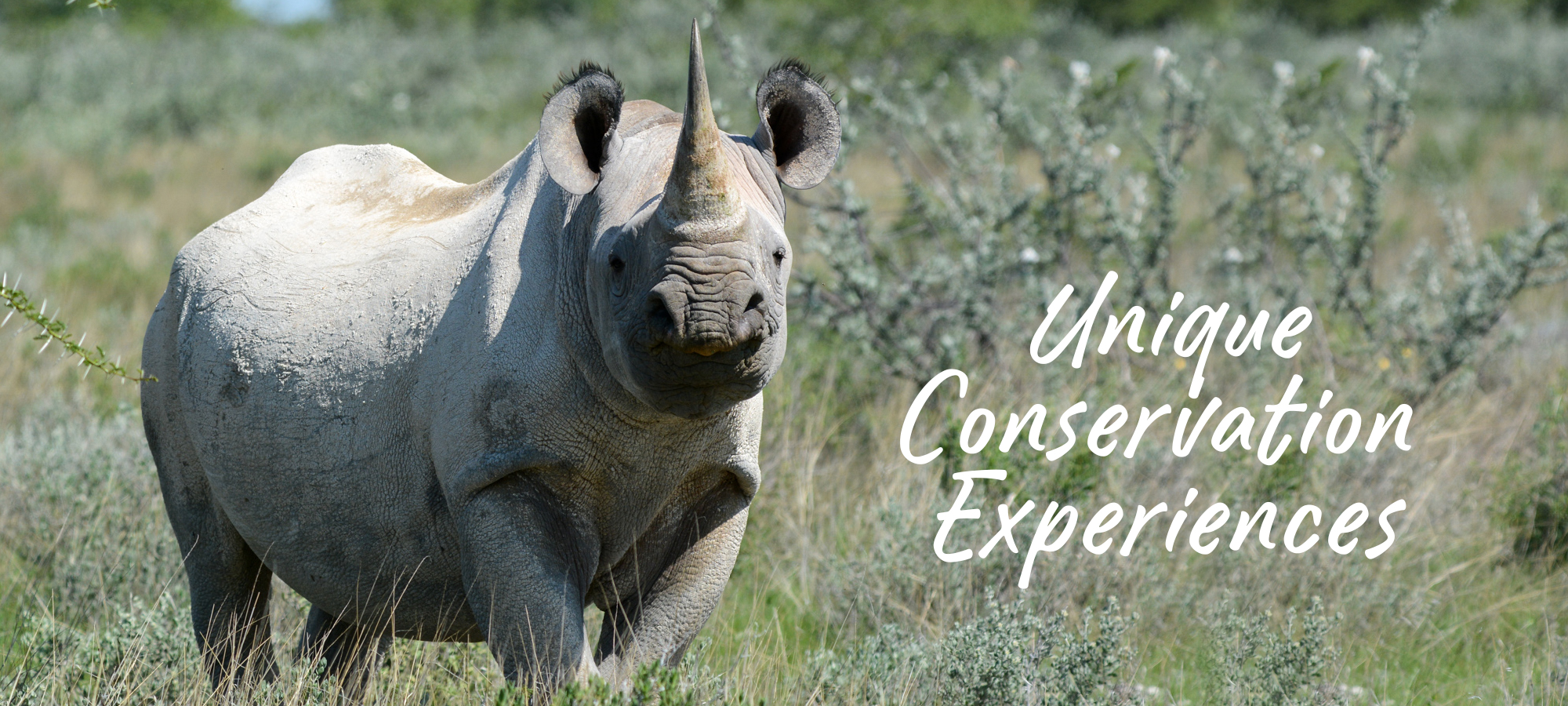

Unique Pangolin conservation experience
Add this once-in-a-lifetime Pangolin Conservation tour to your bucket list! You’ll gain exclusive insight into the groundbreaking work of the Pangolin Conservation and Research Foundation and experience their innovative conservation strategies firsthand.
The Pangolin, a shy, scaly mammal, holds the unfortunate title of the world’s most trafficked mammal. Despite their elusive nature, efforts are underway to better understand their behaviors and habitats. Through active field research, community collaboration, and partnerships, a comprehensive conservation and policy framework is being developed to raise awareness and protect these vulnerable creatures from further harm.
The Pangolin Conservation and Research Foundation plays a crucial role in bridging the gaps in Pangolin conservation. With a focus on research, data collection, collaboration, and community engagement, they are committed to protecting the Pangolin and educating people worldwide about the importance of this endangered species. The current projects primarily focus on the Temminck’s Pangolin.
Next group departure: 22 July 2025


Day to day summary:
| Day 1 | Arrival |
| Day 2-3 | Tracking, trapping & community |
| Day 4-5 | Biodiversity & Conservation |
| Day 6 | Reflection & Feedback – Departure |
*Note: This short unique tour can be done on its own (with added nights of accommodation en-route) or added as an extension to one of your safaris.


Detailed itinerary:
Day 1: Arrival
Today, we arrive at our base camp in the wilderness of north-western Namibia. After settling in, we’ll receive an orientation and a briefing on safety and the project’s background.
You might be wondering, what exactly is a pangolin? These ant-eating mammals are covered in protective scales made of keratin. Predominantly nocturnal and naturally shy, pangolins are challenging to study. The species we focus on here is the Temminck’s Pangolin (Smutsia temmincki), which is classified as vulnerable.
Pangolins are listed on Appendix I by CITES, granting them the same level of protection as rhinoceroses, which bans international trade for commercial purposes.
Our project is dedicated to pangolin conservation, with efforts including active field research and in-situ conservation—preserving species in their natural habitats and maintaining viable populations where they naturally occur. Through collaboration with key stakeholders and initiatives aimed at reducing trade, our goal is to protect, conserve, and secure a sustainable future for pangolins.
Day 2-3: Tracking, trapping & community
This morning, after breakfast, we’ll embark on a bush walk and tracking adventure with the San Bushmen. Upon our return to camp, we’ll engage in discussions about careers in conservation, with a focus on community-based conservation. This approach emphasizes the importance of local communities actively participating in efforts to protect biodiversity.
Afterward, we may visit a nearby pan for lunch, followed by a short siesta before diving into more insightful activities in the afternoon.
The Threat to Pangolins: Despite the lack of scientific evidence supporting the medicinal use of pangolin parts, these animals are heavily trafficked for their scales, body parts, and meat, particularly in traditional Chinese medicine—similar to the demand for rhino horn. While pangolins have historically been used within various African cultures, this use never significantly threatened their populations. However, as Asian pangolin species become increasingly scarce, the demand has shifted to African pangolins. Additionally, human-induced challenges such as habitat fragmentation and loss further threaten pangolins by reducing their natural habitats and increasing mortality rates from incidents like electrocution by electric fences, road accidents, and gin traps.
Due to their elusive nature, very little is known about pangolin ecology, making it difficult to develop effective conservation management plans.
In the afternoon, we’ll continue with VHF (wildlife radio) tracking practice and explore the best available technologies for monitoring pangolins, such as camera trapping. We’ll deploy cameras in the field and then visit a local community in the area. In the evening, we’ll have the unique opportunity to observe a healing dance and embark on a night-time pangolin tracking expedition.
Day 4-5: Biodiversity & Conservation
Early this morning, we’ll embark on a sunrise hike, taking advantage of the fresh start to the day. Afterward, we’ll dive into a series of educational activities. The morning will be dedicated to learning about the importance of biodiversity and nature conservation, with a special focus on pangolin conservation. We’ll also identify and log species around the camp and continue practicing wildlife tracking methods.
Pangolins inhabiting various environments, such as freehold farms, nature reserves, and national parks, are tagged and monitored. The data collected from these efforts include spatial data, foraging and behavioral habits, inter- and intra-species interactions, activity patterns, and threats. This information is gathered using GPS and VHF transmitters, providing critical insights into pangolin movements.
Camera traps are placed at burrows to capture glimpses of their secretive lives, helping us understand the baseline ecology of resident pangolins. This data is vital for conservation management plans and guidelines, identifying strongholds, aiding in genetic and isoscape mapping, and developing strategies to combat trafficking, especially for pangolins confiscated alive.
By collecting genetic samples from resident pangolins, we can study population genetics and variation. Establishing a genetic map across their habitats and range will help governments identify the origins of confiscated individuals, skins, and scales.
This afternoon, we’ll explore additional field methods in conservation and check the cameras we’ve set up. As the day winds down, we’ll enjoy our last sundowner together before observing a healing dance and heading out for our final pangolin tracking expedition.
Day 6: Reflection & Feedback – Departure
After breakfast, we’ll take some time to reflect on our incredible experience and share feedback on our visit. Before we leave this wilderness, you’ll have the opportunity to purchase souvenirs from the local community. We will then begin our journey back to Windhoek. Upon arrival, we will escort you to your accommodation or to the international airport for your departure flight.