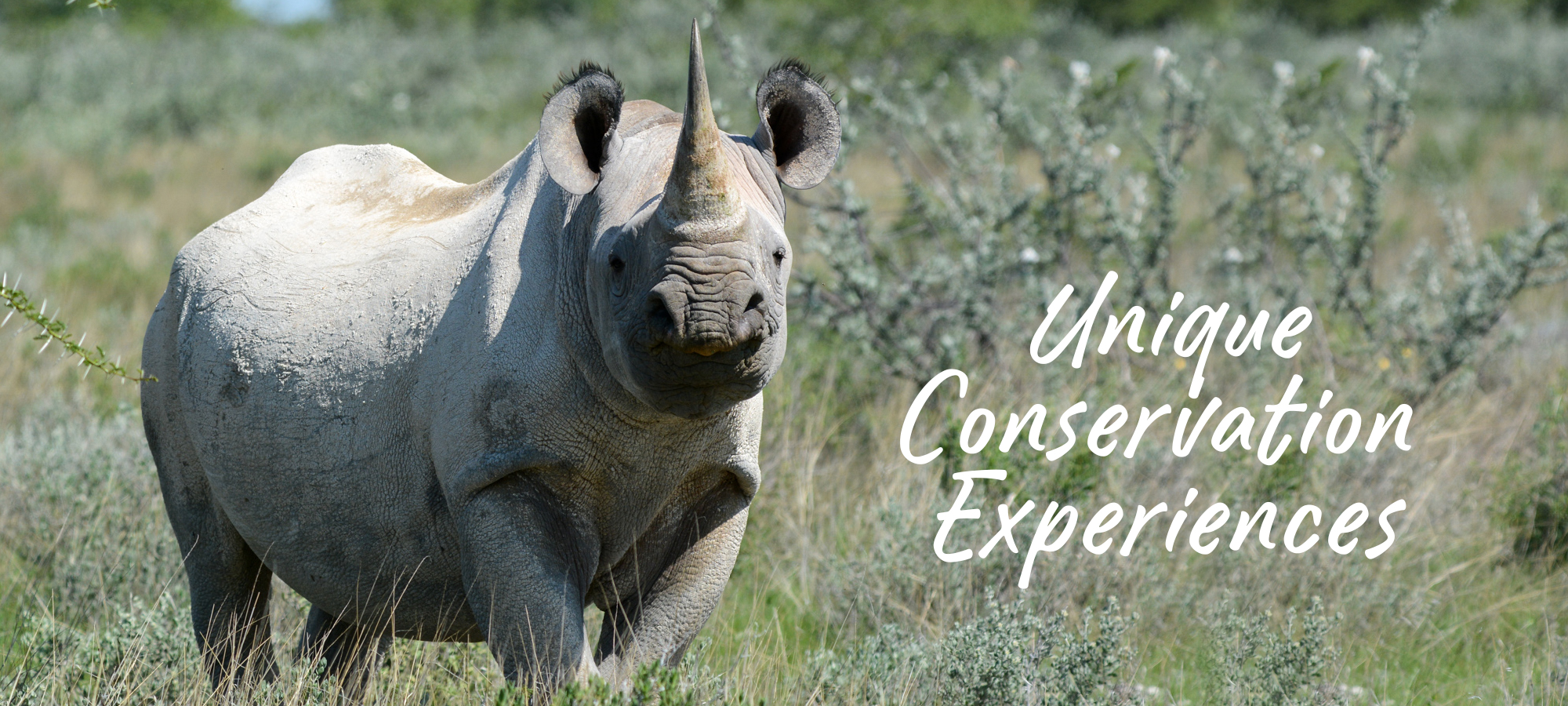


Rhino Walking Safari in Namibia: A Unique Wildlife Experience
Embark on an exhilarating Rhino Walking Safari and experience the thrill of tracking desert-adapted Black Rhinos on foot in Namibia’s stunning northwest region. This small-group, expertly guided safari offers an unmatched opportunity to get up close to these magnificent creatures while exploring one of Namibia’s top private concession areas.
Why Choose a Rhino Walking Safari?
- Incredible Rhino Encounters: Witness desert-adapted Black Rhinos in their natural habitat, a conservation success story unique to Namibia.
- Stunning Landscapes: Soak in breathtaking views of Namibia’s rugged and remote northwest.
- Exclusive Access: Visit private concession areas and gain insights into Namibia’s groundbreaking conservation initiatives.
- Wilderness Camping under the stars: Spend three nights in a bush camp surrounded by complete silence and Namibia’s spectacular night skies.
- Desert-adapted Wildlife: Encounter species specially adapted to arid conditions, including Elephant, Hartmann’s Mountain Zebra, Giraffe, Oryx, Springbok, and Greater Kudu.
A Conservation Triumph
Thirty years ago, Namibia’s Black Rhinos were on the brink of extinction. Today, the northwest region boasts the world’s largest population of free-roaming Black Rhinos, thriving on community-owned land rather than government-protected reserves. This remarkable recovery is the result of innovative conservation efforts:
- Community Involvement: Local residents participate in anti-poaching patrols and benefit from Rhino-related tourism.
- Sustainable Tourism: Revenue from tourism helps fund conservation programs, fostering positive human-wildlife interactions.
- Commitment to Conservation: Namibia is the first country in the world to enshrine environmental protection in its constitution.
What to Expect
This safari goes beyond wildlife sightings. You’ll gain a behind-the-scenes understanding of Namibia’s unique conservation strategies while connecting with nature in its purest form.
Explore Namibia, support conservation, and create unforgettable memories on this extraordinary Rhino Walking Safari.
**Additionally, a portion of your safari price will support Namibia’s Rhino conservation initiatives.


Day to day itinerary:
Day 1 – Windhoek to Palmwag Concession
Your Namibia rhino walking safari begins at Palmwag Lodge, where guests are transferred deep into the remote Palmwag Concession in north-western Namibia. This vast protected wilderness forms part of one of the most important strongholds for the endangered desert-adapted Black Rhino, offering a rare opportunity to experience conservation-focused safari travel on foot in complete isolation.
Unlike traditional safari destinations, the Palmwag Concession is a strictly controlled conservation area with no mass tourism, no permanent luxury lodges, and no congested game drive routes. Instead, it offers a raw and immersive wilderness environment where every journey is shaped by wildlife movements, tracking conditions, and active conservation work on the ground.
Arrival in the Palmwag Concession – Entering the Rhino Wilderness
Upon leaving Palmwag Lodge, the journey into the concession travels through dramatic desert scenery characterised by vast open plains, rugged mountain ranges, and dry river systems that support an astonishing variety of desert-adapted wildlife.
Wildlife sightings may include:
- Hartmann’s Mountain Zebra
- Giraffe
- Gemsbok (Oryx)
- Springbok
- Greater Kudu
- Steenbok
- Klipspringer
As the landscape opens up, the silence and scale of this untouched region become immediately apparent. Hidden natural springs within the concession sustain life in this arid environment and attract wildlife throughout the day.
By late afternoon, guests arrive at a mobile wilderness camp already set up in a remote location. This simple yet functional camp is designed to keep travellers close to nature while maintaining comfort and safety in a true expedition-style setting.
Before sunset, the Save the Rhino tracking team provides a full briefing covering:
- Rhino tracking methods and field techniques
- Safety procedures in rhino country
- Conservation challenges facing desert-adapted black rhino
- The importance of community-led wildlife protection
As night falls, dinner is served under Namibia’s vast star-filled skies, marking the beginning of a rare multi-day conservation immersion experience.
Day 2-3 – Rhino Tracking experience
The core of this Namibia rhino safari is spent tracking free-roaming desert-adapted Black Rhino on foot alongside experienced Save the Rhino Trust trackers. Each day is completely guided by field conditions, rhino movement patterns, and ecological awareness, creating a fully adaptive wilderness experience.
This region represents one of Africa’s most significant conservation success stories. After severe population declines decades ago, desert-adapted black rhino numbers in north-western Namibia have recovered through a combination of:
- Long-term anti-poaching operations
- Community-based conservation programmes
- Responsible eco-tourism funding
- Field-based monitoring and tracking teams
On Foot with Rhino Trackers in Damaraland
Each morning begins early with guided tracking expeditions into dry riverbeds and mountain valleys. Walking through this untouched terrain while following fresh rhino spoor is an immersive and highly skilled field experience that requires patience, teamwork, and deep respect for wildlife.
Midday breaks are taken in shaded natural areas where brunch or lunch is served in the wilderness, surrounded by complete silence and vast desert scenery.
Afternoons typically alternate between rest at camp and game drives through the concession in open safari vehicles, offering opportunities to explore wider landscapes and search for desert-adapted wildlife.
Wildlife of the Palmwag Concession
Beyond rhino tracking, the concession supports a wide range of iconic desert species, including:
- Desert-adapted Elephant
- Giraffe
- Hartmann’s Mountain Zebra
- Oryx (Gemsbok)
- Springbok
- Greater Kudu
Predators occasionally recorded in the region include:
- Leopard
- Cheetah
- Brown Hyena
- Spotted Hyena
- Black-backed Jackal
- Desert-adapted Lion (wider Damaraland region)
Evenings are spent around the campfire where members of the Save the Rhino Trust team share insights into conservation work, anti-poaching operations, and the realities of protecting rhino in one of Africa’s most challenging environments.
Accommodation consists of comfortable dome tents designed for remote wilderness travel, ensuring an authentic but safe expedition-style experience.
Day 4 – Transfer to Palmwag Lodge
The final morning begins with one last guided rhino tracking walk at sunrise. This is often one of the most memorable moments of the safari, as the desert comes alive with soft light and early wildlife movement.
Depending on conditions, guests may follow fresh tracks across dry riverbeds, observe desert wildlife in motion, or simply take time to absorb the silence and scale of this remarkable landscape.
After returning to camp, a final bush breakfast is served before transferring back to Palmwag Lodge.


What you can expect
Support the cause with your donation
