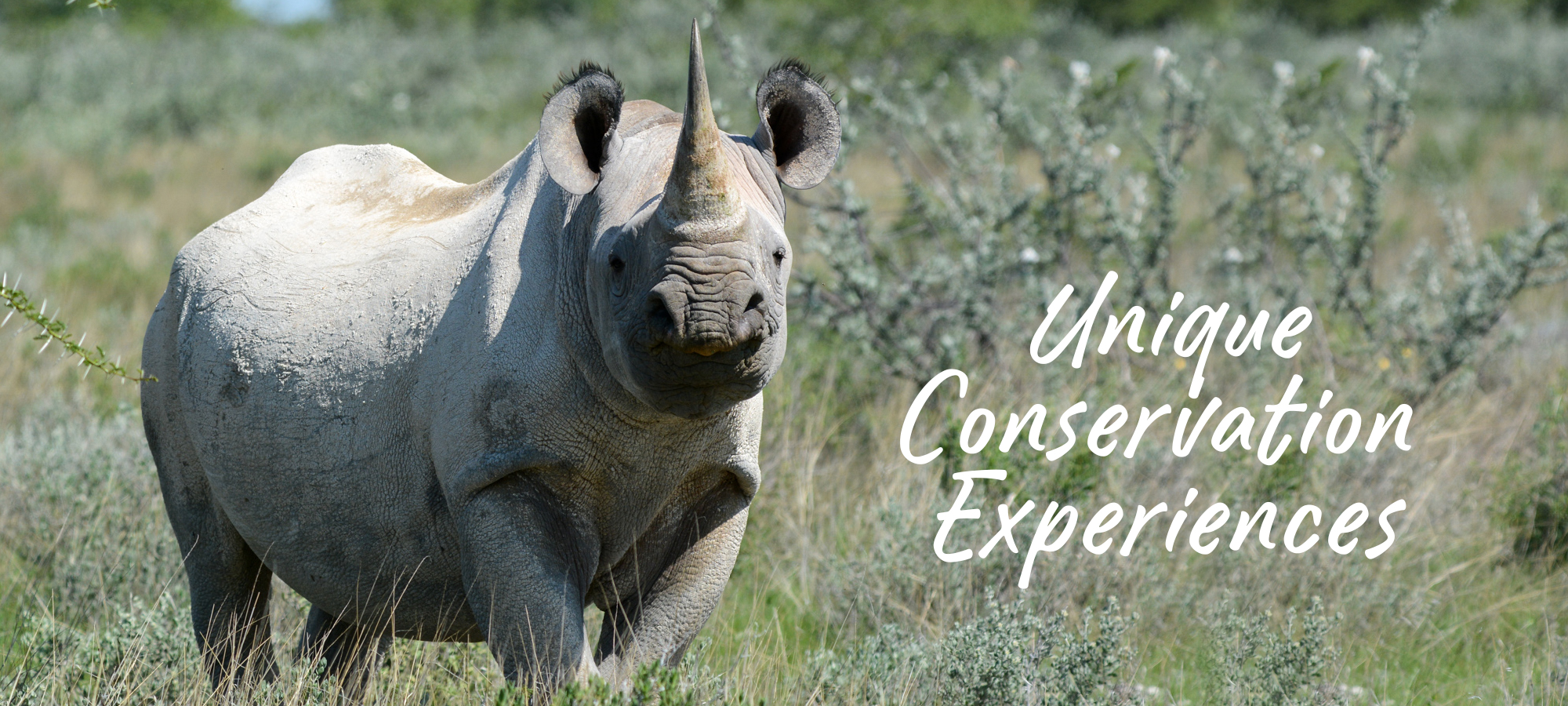

A Hands-On Wildlife Conservation experience in KwaZulu-Natal, South Africa.
This South African Conservation Safari is a purpose-driven wildlife experience designed for travellers seeking an ethical and educational safari in South Africa. Hosted within a private and community-owned conservation reserve in KwaZulu-Natal, this safari offers rare access to active wildlife conservation programmes normally closed to the public.
Over five immersive days, guests participate in endangered species monitoring, Rhino conservation initiatives, and carnivore research, working alongside conservation scientists, wildlife veterinarians, and reserve management teams. Activities include camera trap monitoring, field tracking, data collection, and guided conservation drives focused on species such as Rhino, Leopard, African Wild Dog, and Cheetah.
This conservation safari goes beyond wildlife viewing. It provides insight into how modern conservation works in South Africa, how science informs wildlife management decisions, and how responsible tourism supports long-term protection of threatened species and habitats.
Safari Highlights:
• Participation in endangered species monitoring
• Insight into Rhino protection and anti-poaching strategies
• Camera trap monitoring and carnivore research
• Focus on Rhino, Leopard, African Wild Dog, and Cheetah
• Guided game drives in a private conservation reserve
This experience offers the opportunity to contribute to conservation while gaining insight into the protection of endangered species in South Africa.


Day to day itinerary
DAY 1: Manyoni Private Game Reserve
On the first day of the Conservation Focused Safari, your adventure begins with your own transfer to the reserve lodge around midday, setting the tone for a deeply immersive and purpose-driven African wildlife experience. Once you arrive at your lodge within a private or community-owned nature reserve in KwaZulu-Natal, which is rich in biodiversity and a core focus area for the endangered species work — you will settle into comfortable accommodation surrounded by the rhythms of the bush.
As the day cools and the golden light deepens across the landscape, you return to the lodge for a welcome gathering and an introduction to the team. This evening session is an opportunity to meet the conservation staff, reflect on the day’s insights, and learn more about the meaningful conservation work you will support throughout the safari. Conversations often continue over dinner and sundowners, where guides and conservation staff share stories from their field experience and outline the activities planned for the coming days, creating a sense of community and shared purpose that defines the experience.
DAY 2: Manyoni Private Game Reserve
Day two of the conservation-focused safari provides a closer look at frontline wildlife protection, offering insight into how high-risk species are actively safeguarded within protected reserves in KwaZulu-Natal.
The day begins early with participation in a Rhino dehorning operation, a widely used conservation intervention in smaller, intensively managed reserves. Conducted by qualified wildlife veterinarians and reserve management teams, the process involves locating the animal, safely immobilising it, and removing the horn above the growth plate. This procedure is painless for the Rhino, with the horn naturally regrowing over time, and has proven effective in reducing poaching risk when combined with monitoring, security, and law-enforcement efforts. Observing this operation provides a rare and sobering perspective on the realities of modern Rhino conservation and the difficult but necessary decisions involved in protecting the species.
In the afternoon, attention shifts to endangered species monitoring, where participants join conservation professionals in the field to assist with ongoing research and data collection. Depending on current priorities, activities may include telemetry tracking, identifying tracks and signs, checking camera traps, or conducting habitat assessments. The focus is on species such as African Wild Dogs, Cheetahs, Leopards, and Rhino, all of which require intensive monitoring to inform management decisions. This session highlights how accurate field data underpins everything from daily reserve management to broader conservation planning, including translocations, population viability assessments, and long-term species survival across fragmented landscapes.
As evening approaches, the day concludes with a fireside discussion that places the day’s experiences into a wider conservation context. In a relaxed and informal setting, conservation staff share insights into the challenges of endangered species protection, the realities of working in the field, and the importance of collaboration between reserves, researchers, and responsible tourism. This reflective session deepens understanding of how conservation operates beyond the game drive, reinforcing the role that informed visitors and conservation-based tourism play in supporting meaningful, long-term wildlife protection.
DAY 3: Manyoni Private Game Reserve
On the third day of the conservation-focused safari you will engage directly with some of the most informative and scientifically valuable aspects of wildlife monitoring. In the morning you take part in a camera trap session, working with remote motion-activated cameras that have become an indispensable tool for studying elusive and nocturnal animals across protected landscapes. These devices are strategically placed along game trails, waterholes, and other high-use areas, where they continuously photograph passing wildlife without disturbing their natural behaviour. By capturing images of species that are difficult to observe during regular game drives — particularly cryptic carnivores like Leopards — camera trapping allows researchers to identify individuals by their unique markings, estimate population sizes and trends, and gather behavioural data that would otherwise remain hidden in the bush. The insights gained from these images feed directly into regional monitoring programmes and help guide conservation planning and management decisions.
In the afternoon you continue with endangered species monitoring, contributing to ongoing field data collection through activities such as checking camera traps, tracking animal movements, and recording signs like tracks and scats. This work supports a broader understanding of species distribution, habitat use, and conservation pressures across the reserve.
As night falls, dinner provides a relaxed backdrop for discussions focussed on Leopard conservation, exploring the ecological importance of this elusive big cat and the efforts underway to ensure its continued presence on the landscape. Conversations over the meal draw on the day’s experiences and on broader conservation science to explore topics such as the challenges of monitoring wide-ranging predators, how individual identification from camera trap photos aids population assessments, and why large carnivores are considered indicators of healthy ecosystems. This evening dialogue deepens your understanding of the complexities facing species like Leopards and highlights the essential role that rigorous field monitoring and informed stewardship play in sustaining Africa’s biodiversity.
DAY 4: Manyoni Private Game Reserve
On the fourth day of the conservation-focused safari you continue to deepen your understanding of how science and field experience come together to protect threatened wildlife across South Africa’s biodiverse reserves. In the morning you join another endangered species monitoring session, building on your earlier fieldwork with refined techniques for tracking, observing, and documenting the movements and behaviours of priority species. This might include checking camera traps, interpreting recent photographic captures, tracking radio-collared animals, or surveying spoor and other signs across their home ranges. These systematic monitoring efforts provide essential data on population trends, habitat use and potential threats — information that reserve managers use to make informed decisions about species protection, translocations, and anti-poaching responses. Such continuous field data is vital for sustaining long-term conservation efforts for species such as Rhinos, African Wild Dogs, Cheetahs and Leopards.
In the afternoon you transition into a more traditional safari experience with a game drive through the bushveld in an open-air vehicle, accompanied by an experienced guide. These drives provide expansive views of the landscape and its wildlife, allowing you to observe everything from towering Giraffes and stately Elephants to smaller antelope species in their natural setting. As the day wanes and the sun sinks toward the horizon, you will pause for sundowners — refreshing drinks and a moment of quiet appreciation for the beauty of the African wilderness as colours shift across the sky and wildlife settles into evening routines. Sundowner stops like these are a cherished part of safari traditions, inviting reflection on the day’s sightings and the rhythms of life on the reserve.
As night falls, the safari culminates in a final dinner where discussion turns to community conservation in Africa. This conversation explores how local people, conservation scientists and reserve managers work together to protect biodiversity while supporting sustainable livelihoods in surrounding communities. You will gain perspective on the interconnectedness of ecological health and human well-being — from employment opportunities tied to wildlife tourism to education programmes that foster stewardship among future generations. This concluding dialogue ties together the scientific, cultural, and ethical dimensions of conservation you have witnessed throughout the safari, offering a deeper appreciation of the collaborative efforts required to ensure a thriving future for Africa’s wildlife and the communities that live alongside it.
DAY 5: Departure
On the final morning of the conservation-focused safari, you embark on a final conservation drive that brings the scientific and experiential aspects of the trip full circle. This last outing into the reserve offers a final opportunity to observe wildlife in its natural environment while reflecting on the data and experiences you have collected over the preceding days. Much like the earlier monitoring sessions, this drive integrates observational fieldwork with thoughtful interpretation of animal behaviour, movement patterns and habitat use. Early morning is a peak time for activity across the reserve, as many species are most visible in the cool hours before the heat of the day. Through quiet observation from the open-air vehicle, you may see grazers like Impala and Zebra begin their day, follow the spoor of predators such as Leopards or African Wild Dogs, or watch birds stir and call in the trees — all reminders of the complex ecosystems your safari has been exploring. These morning drives underscore how continuous monitoring and repeated observation underpin effective conservation management across protected landscapes.
By midday, the focus shifts from the bush to departure as you return to the lodge to pack up and prepare for your onward journey. This final period allows time to organise gear, reflect on field notes and photos, and share final conversations about the insights and memories you are taking with you. As the safari concludes, there is a palpable sense of having not only witnessed remarkable wildlife and landscapes but also having gained a deeper understanding of the conservation efforts that help sustain them. Participants often leave with a renewed appreciation for Africa’s biodiversity, the challenges it faces, and the importance of informed and engaged stewardship in protecting these wild places for the future.
Your participation in this conservation safari has a direct and measurable impact beyond the experience itself. The donation associated with the safari supports ongoing conservation work, including endangered species monitoring, anti-poaching operations, and the protection of key habitats within southern Africa’s protected areas. These funds contribute to essential field resources such as tracking equipment, camera traps, monitoring technology, and operational support that enable conservation teams to make informed management decisions and respond effectively to threats facing vulnerable wildlife. By taking part, you are helping to sustain long-term conservation programmes that protect threatened species, support reserve management, and ensure that practical, science-based conservation continues well beyond your time in the field.


