

7-Day Vets for Wildlife Conservation Program | Zululand, South Africa.
The 7-day Vets for Wildlife South Africa program is a hands-on wildlife veterinary and conservation volunteer experience based in Zululand, KwaZulu-Natal, one of Southern Africa’s most biologically rich regions and a landscape recognized through multiple UNESCO World Heritage Site designations.
This immersive program places students and aspiring wildlife veterinarians directly in the field, contributing to real conservation work in either — or both — Hluhluwe–iMfolozi Park and Manyoni Private Game Reserve. These leading conservation areas play a critical role in protecting some of Africa’s most threatened wildlife.
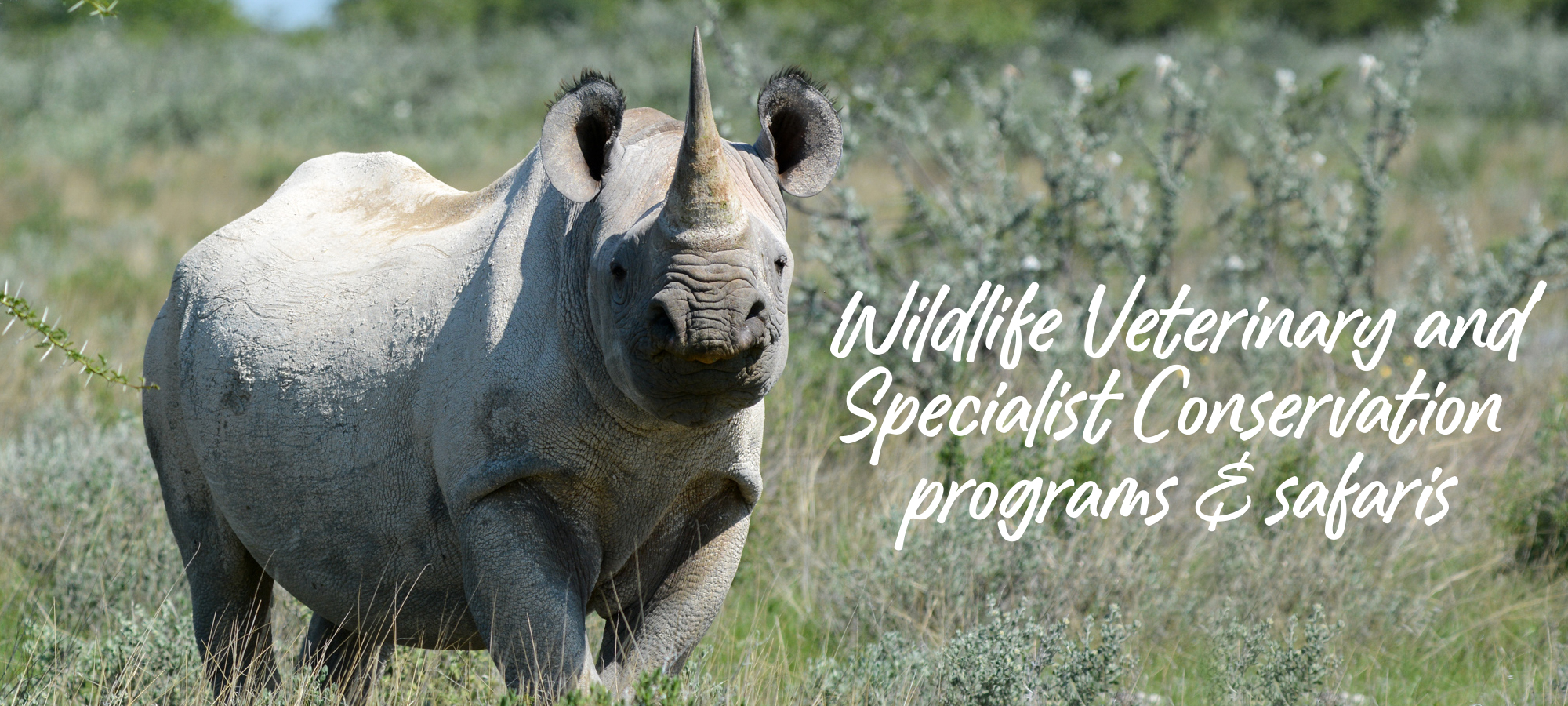
Participants work alongside experienced wildlife professionals in reserves that protect the Big Five, as well as Cheetahs, African Wild Dogs, and both Black and White Rhinoceros — species at the forefront of global conservation concern.
Throughout the week, students gain practical exposure to wildlife veterinary support, conservation field techniques, and wildlife monitoring, while actively contributing to ongoing conservation initiatives. This program offers a rare opportunity to develop hands-on skills, understand the realities of endangered species protection, and participate meaningfully in conservation efforts in one of Africa’s most iconic wild landscapes.
About the Conservation Work:
Effective wildlife conservation relies on accurate, long-term monitoring to track population trends, movement patterns, health, genetic diversity, and emerging threats within complex ecosystems.
During the program, students support conservation teams by assisting with the collection of high-quality field data, which helps inform management strategies, prioritise interventions, and evaluate conservation outcomes. This work is essential for safeguarding threatened species such as African Wild Dogs, Black Rhinos, and African White-backed Vultures.
Modern conservation tools — including GPS collars, satellite transmitters, and advanced camera trap systems — enable efficient, non-invasive monitoring across large protected areas. Students and field assistants play a vital role in this process by supporting daily tracking, species identification, and behavioural observations throughout KwaZulu-Natal’s protected areas.
Their involvement ensures consistent, year-round monitoring and allows conservation teams to respond quickly to changes in animal behaviour, health concerns, or emerging threats — improving conservation outcomes where they are most urgently needed.
Wildlife Veterinary Field Experience:
The veterinary component of the program provides firsthand exposure to real-world conservation medicine. Depending on conservation priorities and field conditions, students may participate in one of the following specialised veterinary activities:
Rhino Dehorning (Anti-Poaching Initiative)
Students may assist with sample collection and observe the dehorning procedure. Gain in depth knowledge about the veterinary drugs involved, as well as the conservation rationale behind this critical anti-poaching strategy.
Cheetah or African Wild Dog Darting and Collaring
Students learn how animals are safely lured to bait, observe the darting process, and assist with collaring procedures used for ongoing monitoring and research.
Important Fieldwork Notice
Veterinary activities are subject to change due to the unpredictable nature of wildlife and conservation fieldwork. Flexibility is an essential part of working in real conservation environments.
Why This Program Matters
This program is ideal for wildlife veterinary students, conservation biology students, and volunteers seeking authentic field experience in African wildlife conservation, endangered species protection, and veterinary-led conservation initiatives.


What you will learn:
- Priority Species Monitoring:
- Participate in field-based tracking and data collection for key threatened species, gaining insight into how conservation teams assess population trends and habitat use.
- Camera Trap Servicing & Informal Talk:
- Assist with checking, maintaining, and redeploying camera traps while learning how these devices help monitor elusive wildlife and strengthen long-term research datasets.
- Veterinary Experience:
- Observe and support selected wildlife veterinary procedures, offering a practical look into the medical care and management strategies used in conservation settings.
- Veterinary Talk:
- Engage in a focused discussion on wildlife veterinary practices. Topics like drug protocols, immobilisation techniques, and the role of veterinary science in safeguarding endangered species will be addressed.
- Monitoring Talk – Importance of Data Collection:
- Gain an understanding of why accurate, continuous monitoring is essential for effective conservation planning, adaptive management, and measuring the success of interventions.
- K9 Unit Experience:
- Spend time with the anti-poaching K9 team to learn how trained detection dogs assist with snare detection, tracking, and strengthening reserve security operations.
- Black Rhino Monitoring Talk:
- Explore the specialised methods used to monitor Black Rhino populations. These include tracking techniques, individual identification, and the challenges of protecting this critically endangered species.


Quick Enquiry


• FAQ
1. Can I extend my stay?
If you’d like to make the most of your time in Southern Africa, we can happily arrange accommodation before or after your conservation program. Moreover, if you would like to explore further, you can also add optional extensions to iconic destinations such as Kruger National Park or other exciting regions. In this way, you can round off your experience in a truly memorable way.
2. What do I need to pack for the South African Vets for Wildlife program?
- Hat
- Warm Jacket, scarf, beanie, and/or gloves for evenings and early mornings
- Water bottle
- Personal Toiletries (Soap etc)
- Handwash Laundry Detergent
- Sunscreen
- Personal First Aid Kit/Medicine
- Comfortable shoes
- Towel/s
- Headlamp or flashlight
- Power adapter/plug
- Power bank
- Basic bed linens are provided (duvet, sheets, pillows), please bring any extras.
- Insect repellent (please check before using close to the animals)