

10-Day Field Experience in Hwange National Park
Join this immersive 10-day Community Conservation Program in Zimbabwe, based in and around Hwange National Park, one of Africa’s most important wildlife conservation areas. This field-based program offers students a unique opportunity to experience the real-world practice of community-based conservation, working at the intersection of wildlife protection, community development, and sustainable livelihoods.
Throughout the program, participants work alongside conservation professionals, anti-poaching teams, and local community partners, gaining hands-on experience in how conservation initiatives are implemented on the ground. Field activities may include wildlife monitoring, support for anti-poaching operations, habitat restoration, and community outreach projects, all designed to highlight the social, ecological, and ethical dimensions of conservation in Africa.
This immersive experience provides valuable insight into how people and wildlife can coexist, equipping students with a deeper understanding of conservation challenges and solutions in one of Zimbabwe’s most iconic protected landscapes.
About the Conservation
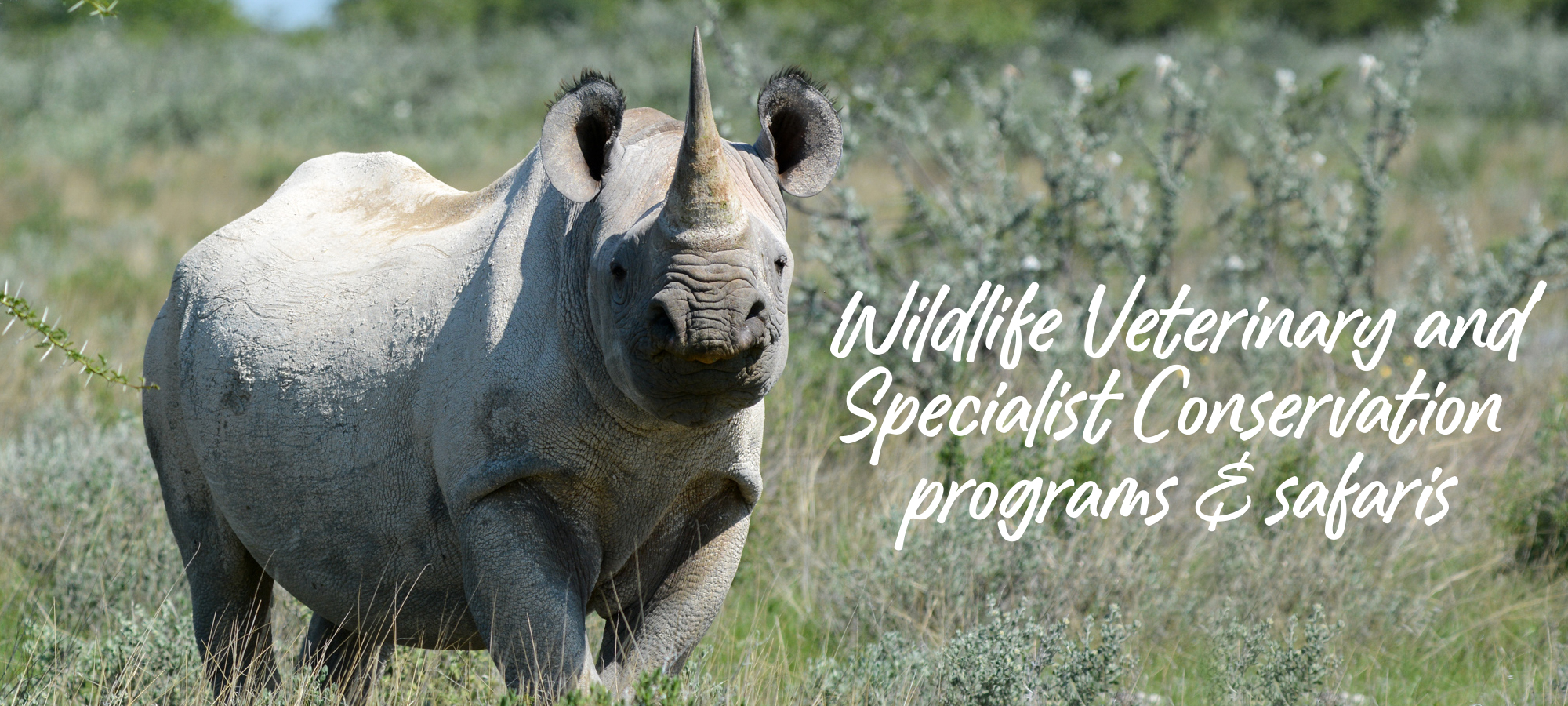
For many years, our conservation teams have worked closely with local communities surrounding Hwange National Park, developing projects that support both biodiversity protection and sustainable community development. A cornerstone of this work is the Community Rhino Conservation Initiative (CRCI) — a pioneering program that reintroduces Rhinos onto communal land within the greater Hwange ecosystem.
The CRCI aims to deliver long-term benefits to local communities through employment opportunities, education, human–wildlife conflict mitigation, and revenue-sharing initiatives, while restoring a keystone species to its historic range. This innovative approach places communities at the centre of conservation, ensuring that wildlife protection delivers tangible social and economic value.
By joining this program, students become part of a groundbreaking community-based conservation initiative, directly contributing to the protection of Hwange’s ecosystems and supporting the conservation of endangered species that define one of Africa’s most remarkable wilderness areas.


What to expect:
Each day brings new learning opportunities — from treating injured antelope and monitoring carnivores in rehabilitation, to understanding the challenges of managing wildlife health and human–wildlife interactions in southern Africa.
As a participant on this program, you’ll be actively involved in:
- Assisting with routine health checks, wildlife immobilizations, and sample collection for research.
- Supporting rehabilitation efforts for injured or orphaned animals within wildlife sanctuaries.
- Learning about ecosystem health, disease control, and the ethics of wildlife management.
- Attending expert-led lectures and hands-on sessions to develop both clinical and practical skills.
• Practical Skills & Field Activities
Depending on seasonal conditions and active conservation projects, participants may take part in:
- Research and population monitoring of lion, leopard, spotted hyena, and brown hyena.
- Providing care, feeding, and behavioural monitoring of animals in rehabilitation.
- Assisting veterinarians with wildlife cases in sanctuaries and nearby farms.
- Participating in wildlife capture, handling, and release operations.
- Supporting veterinary procedures and health assessments for primates.
- Attending lectures on capture techniques, pharmacology, behaviour, and anaesthesia.
- Hands-on training in dart gun operation and safety.
- Conducting research using camera traps, GPS tracking, and telemetry.
- Enjoying engaging wildlife-focused activities, including sunset game drives.


Why Join this Program
- Support the Cobras Community Rhino Conservation Initiative’s canine unit with walks, patrols and tracking exercises
- Support the Cobras scouts in patrols and snare recovery
- Carry out Rhino monitoring and research
- Support with Rhino feeding needs
- Support our pumping water for wildlife efforts by joining “pump runs” to fix and repair solar hybrid units in and around Hwange National Park
- Go on game drives in and around the Park to help spot and report on animals and share stories
- Visit a traditional homestead and acquire cultural insights into the lives of local people
- Attend a basic language course
- Do a session on local craft making, prepare traditional meals, join the local sewing cooperative or support local young men herding cattle
- Water provision: support with repairing boreholes for communities.
Accommodation
Our camp is between Ziga Village (just 1–2 km away) and Hwange National Park, within our second Community Rhino Conservation Sanctuary. It offers a comfortable, rustic atmosphere with firewood stoves for cooking, a welcoming campfire area for evening meals, and firewood geysers providing hot showers. Accommodation includes shared chalets and tents with en-suite bathrooms, as well as communal dining and relaxation areas. Nestled in a wooded area at the heart of the Community Rhino Sanctuary, the camp offers regular sightings of Rhinos, Elephants, and a variety of bird species. Students can enjoy unlimited Wi-Fi, with three wholesome meals served daily along with juice, tea, and coffee. Soft drinks and alcoholic beverages are available for purchase on request.
- Fully solar / generator powered.
- Free Wi-Fi service; cell phone reception.
- All rooms have ceiling or standing fans.
Quick Enquiry


• FAQ
- Who can join the Zimbabwe Community Conservation program?
• The program is ideal for students and scholars interested in conservation volunteering. This exciting program offers an amazing insight into the efforts and passion that goes into community based wildlife conservation.
- Can I join the Zimbabwe Community Conservation program as a single traveler?
Yes. If you are open to travel with a group with like-minded travelers, we can accommodate you if open spaces is available
- Are there any other documents/registrations I need for this program?
No you don’t have to have any veterinary qualifications.